What it does
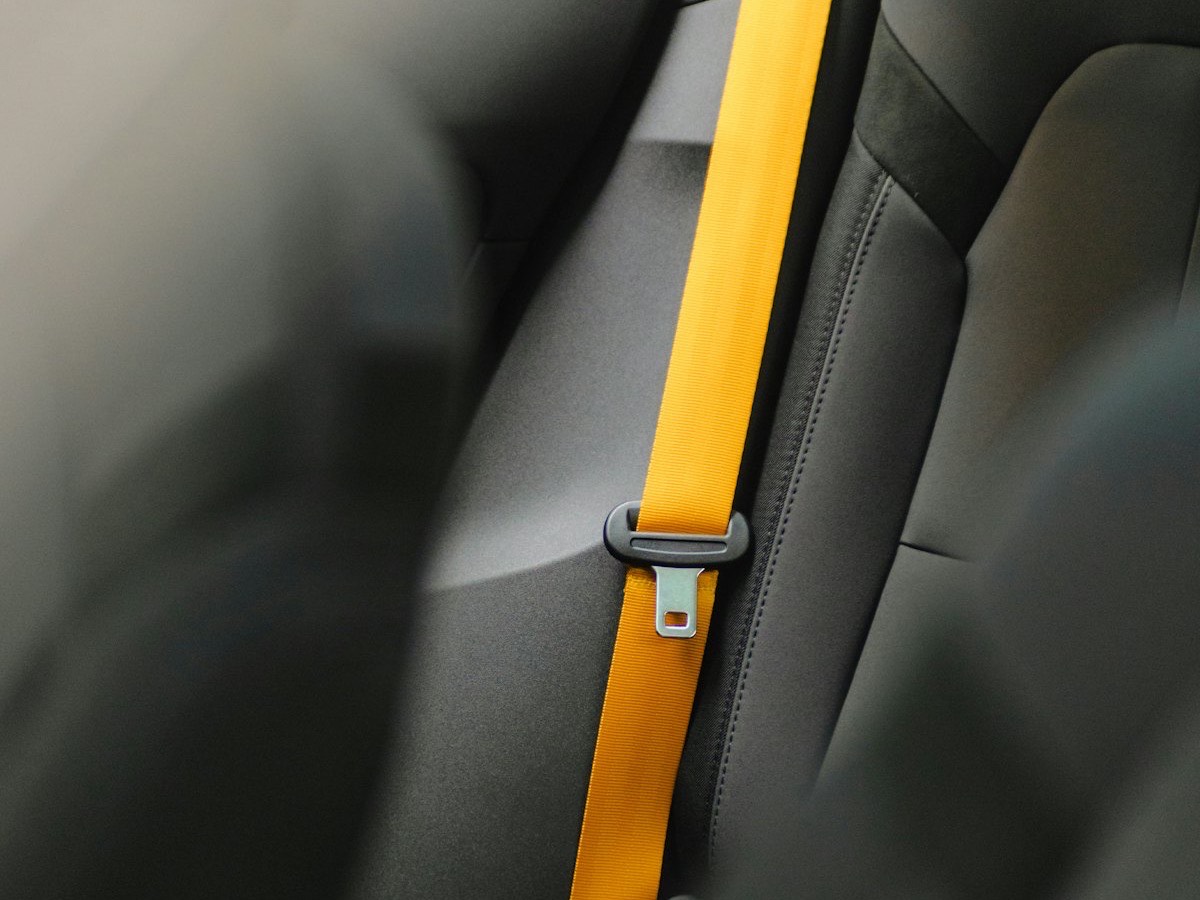
A modern car may have front airbags in the steering wheel and dashboard, side airbags in the seats, curtain airbags along the roof rail and knee airbags under the dashboard. In a crash, pretensioners pull the belts tight in a fraction of a second and load limiters let them give a little so the force on your chest is spread out.
How it senses
Crash sensors measure how quickly the car slows down and from which direction. In the front passenger seat, an occupant classification system uses weight and sometimes position to decide whether the passenger airbag should be ready, and switches it off for a child or an empty seat.
What sets it off
A crash severe enough, from the right direction, as the maker has calibrated it. Not every crash fires every airbag, and a side impact does not fire the front ones. When the car starts, the airbag lamp lights for a few seconds as a self-check and then goes out.
Where it stops
- An airbag without a belt can hurt more than it helps. The belt is what keeps you in the right place for the bag.
- Sitting very close to the steering wheel, with feet on the dashboard, or leaning against the door puts you in the path of a deploying bag.
- A rear-facing child seat must never sit in front of an active passenger airbag. Children are safest in the back seat.
- If the airbag lamp stays on, flashes or never lights at all, the system may not work in a crash. Have it checked.
Check for your car
- Where each airbag is, usually marked SRS or AIRBAG on the trim.
- What the passenger airbag status light looks like, and when it should say OFF.
- Your manual’s advice on seating position and child seats.
- Whether your car is under an open recall. You can look up the vehicle identification number on NHTSA’s recall site.
This guide describes how the system generally works. Makers tune and name their systems differently, so your owner’s manual is the final word for your vehicle.
Next guideAutomatic Emergency Braking